Prayer for Ukraine
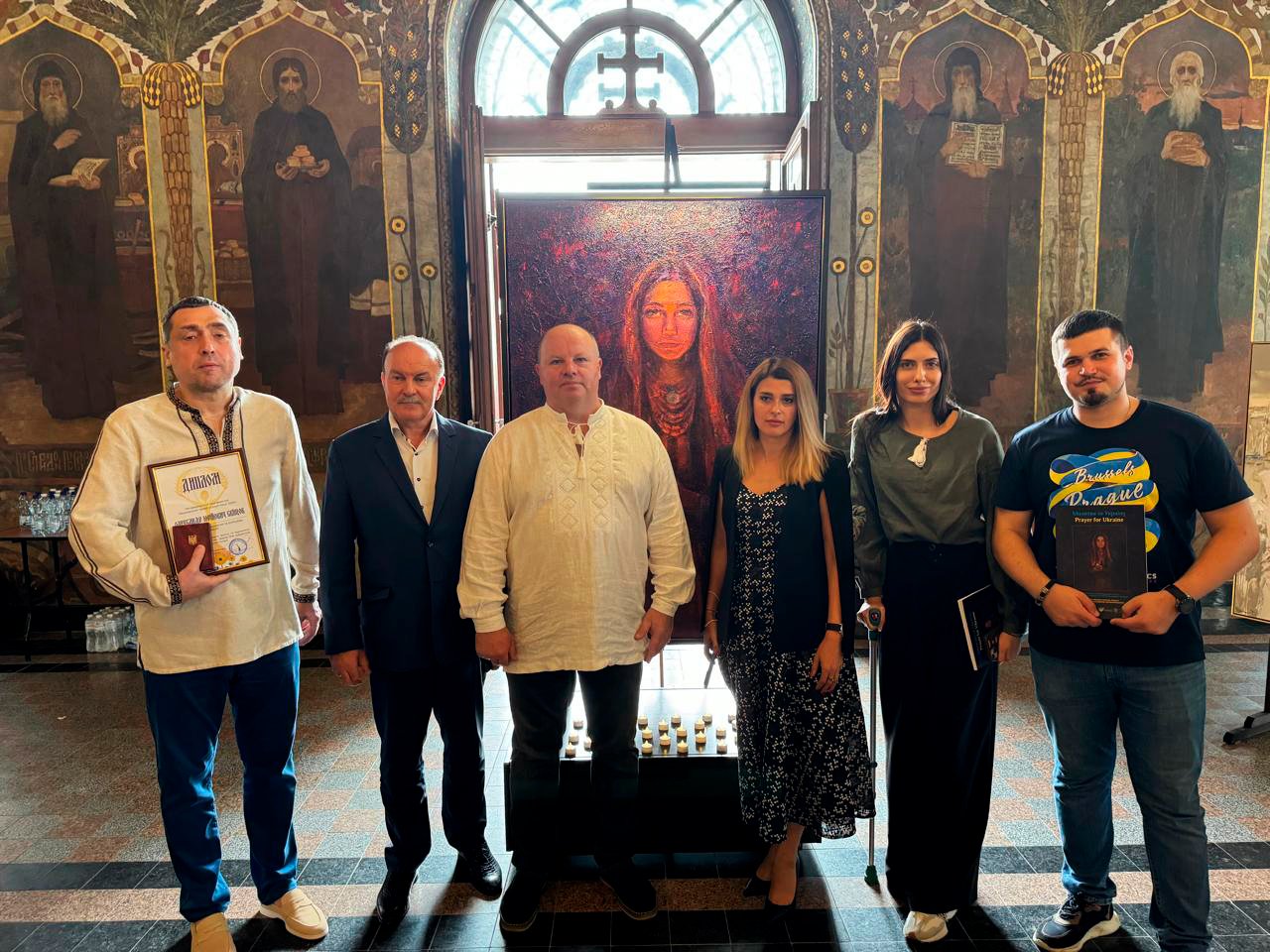
The majestic walls of the Kyiv-Pechersk Lavra National Conservation Area will host the Prayer for Ukraine art project, which was opened on the occasion of the Statehood Day of Ukraine, until August 15.
This project is a call to action, to unite for a common goal, a reminder that each of us can contribute to the victory, create, support the soldiers, and help the victims.
Together, we will overcome any challenges, because the blood of our indomitable ancestors flows in our veins, and our hearts beat in unison with the heartbeat of Ukraine.
The project tells about all the atrocities and crimes that Russia is committing today, showing the suffering of Ukrainians and the daily destruction of our homes through the image of the Mother of God.
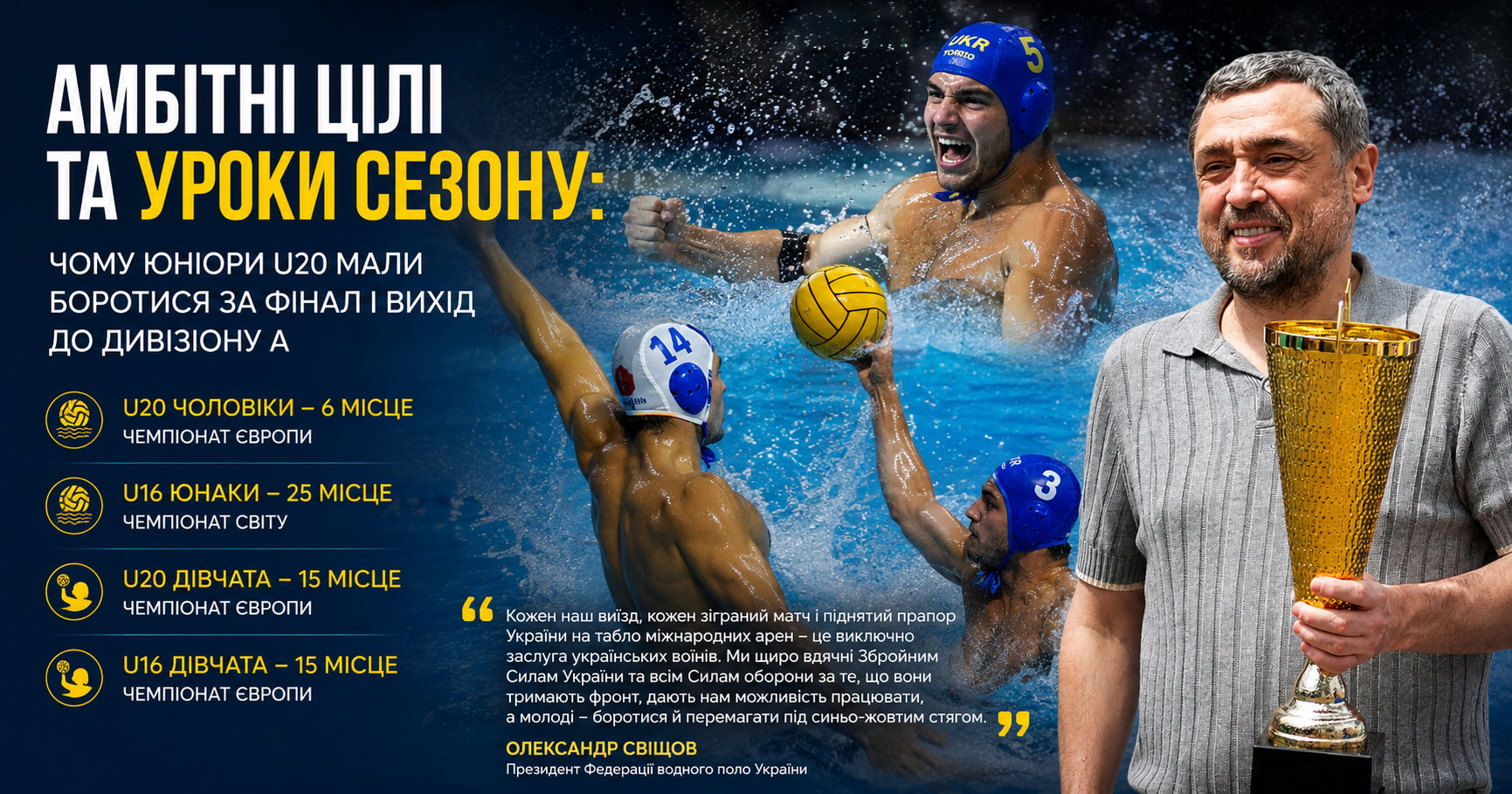
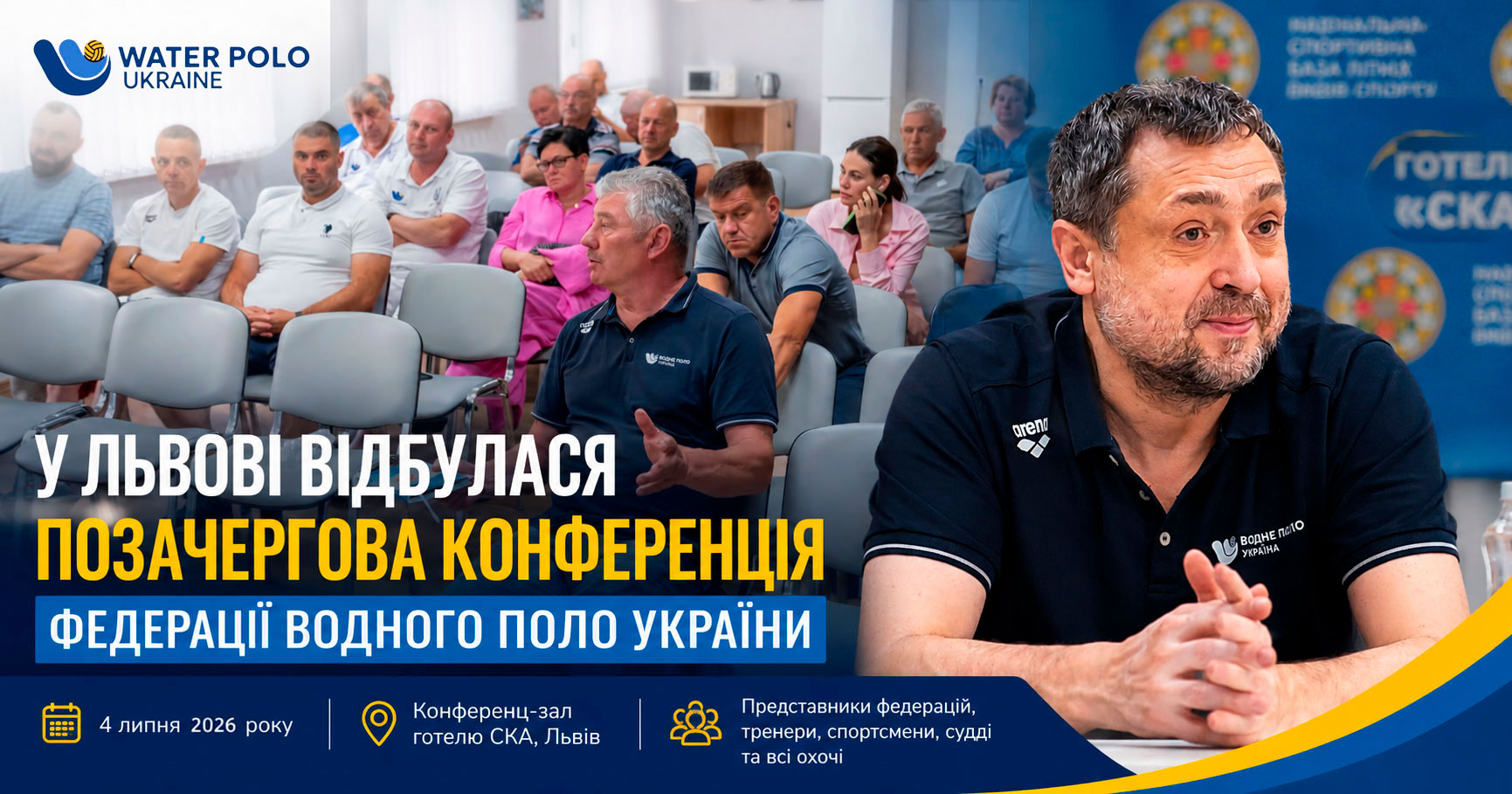
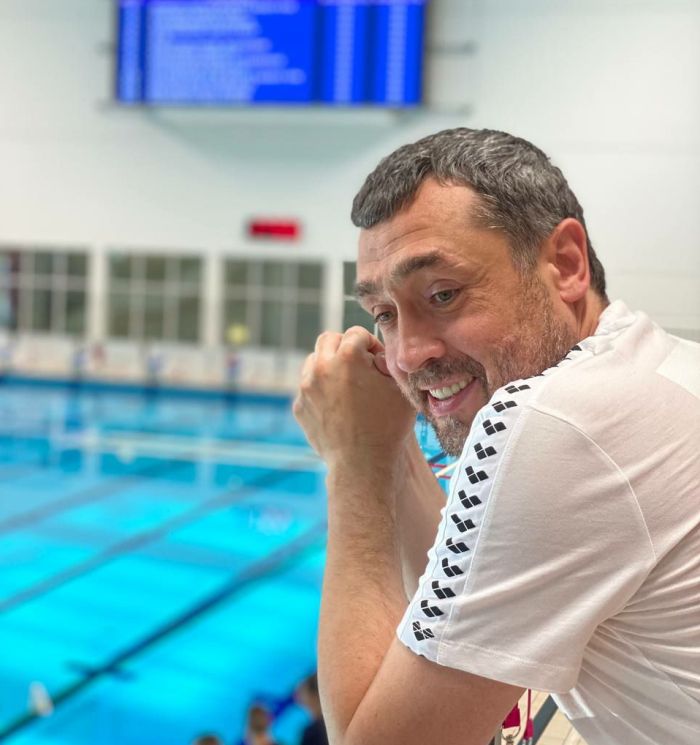
This large-scale project became possible thanks to philanthropist Oleksandr Svishchov, who, as a true patriot, provided artists with the opportunity to work in good conditions, gave honoraria and prizes for the best works.

Ukraine through the ages
A year ago, the National Conservation Area St. Sophia of Kyiv hosted the opening of the art project Ukraine Through the Ages on Independence Day.
The project aims to show the history of Ukraine through the image of a young girl surrounded by the most important historical and artistic artifacts of the region she represents.
We can live in depression, fear, or oppression, or we can live for the state, create, help our soldiers, donate to the army, and help the wounded.
The choice is up to each of us, but we should remember that only a consolidated society produces results.
Not only are these two projects similar in their message and concept, but both projects were made possible by philanthropist Oleksandr Svishchov.
Support for contemporary Ukrainian art
Ukraine needs a new vision, self-awareness, and a new representation in the world not only as a country fighting for its independence, but also as a country with a culture, a deep history, and an unwavering people.
That is why the Art through the Awareness project was created and implemented.
Art embodies the values for which we are fighting the enemy.
It is a signal to the world about the need to stand shoulder to shoulder with our country on the path to victory.

{%CAPTION%}
I wanted to say more, to tell more about Ukraine, to tell more about its history, its culture, the resettlement of peoples, its connection with Europe, to tell about all the pain, all the grief, the horror that is happening in our country.
How can this be done?
Only through art, because art is something that exists without borders, art is something that can happen in any manifestation and interaction, where the thought for self-expression is important, and the ways of realization depend on the level of artists, their skills, and most importantly, the financing of the idea, because without money it is impossible to do something great, meaningful, which will become a new page in contemporary art, a living page of modern history, and a mechanism that will allow Ukraine not only to declare itself as a state fighting for survival, but also as a state with deep roots of global significance.
It was thanks to the support of philanthropist Oleksandr Svishchov that we succeeded.

{%CAPTION%}
Oleksandr Svishchov was born in Lviv on September 22, 1970.
His main principle in life is to do more than talk.
His main investments are in children and the younger generation, which means that these are promising investments in the bright future of our country.
His main goal today is charitable activities that will help speed up Ukraine’s victory in the war against Russia.
Ukrainian business is going through severe challenges due to the war, but Oleksandr Yuriyovych is confident that Ukraine’s economy must live and develop.
He does his best and launches new projects.
The largest sports and entertainment center in Ukraine called Leoland, owned by Oleksandr Svishchov, was opened in Lviv.
Leoland is a unique project that combines sports, education, and child development, with a tennis school, a MakerSpace lab, and a football center for the youngest, and new projects will be opened soon.
The sports and entertainment center has an equipped and tested bomb shelter.
Svishchov also actively supports museums, donating ancient artifacts and exclusive European coins to the Vynnykyi Museum of History and Local Lore.
His contribution to the development of culture and art is an inexhaustible source of inspiration for many Ukrainians.
But nothing can be compared to supporting art, because by supporting and developing art, a patron has the opportunity to be on a par with world personalities, because no one can determine which artist will become world famous, any bet on the development of art is still a winning one, because by supporting the artists of their country, a patron gives them the opportunity to live and create, the opportunity to take place and be, and sometimes just to survive In times of great trials, there are always people whose hearts burn with love for their native land, culture and people.
These people, who often remain in the shadow of great events, create the future of the nation through their generous deeds.
Among such prominent figures, it is worth mentioning Andrey Sheptytsky, who knows, perhaps in time the figure of Alexander Svishchov will also be written in golden letters in the history of Ukraine.
Patrons in history
Philanthropy as a phenomenon has long roots that date back to ancient times.
The word “patron” comes from the name of the Roman statesman Gaius Cinus Patronus, who lived in the first century BC.
He became a symbol of selfless support for the arts by supporting prominent poets of his time, such as Virgil and Horace.
However, patronage really flourished in medieval Europe, where rulers and the wealthy lent their support to artists, architects, and scholars, creating the conditions for a cultural renaissance.
Lorenzo de’ Medici, known as Lorenzo the Magnificent, ruler of Renaissance Florence, was one of the most famous patrons of the arts.
His support of artists such as Michelangelo, Leonardo da Vinci, and Botticelli contributed to the cultural flourishing of Florence.
Another prominent philanthropist, Galust Gulbenkian, known as “Mr. Five Percent,” amassed one of the largest art collections in the world by creating the Galust Gulbenkian Museum in Lisbon.
The Eternal Legacy of Ukrainian Philanthropy
The Ukrainian land has always been rich in people willing to sacrifice their own money and resources for the benefit of their people.
Such philanthropy has been in our blood for thousands of years, and each era of Ukrainian history has had its own outstanding patrons whose names have remained in our memory and cultural heritage.
From ancient princes to modern businessmen, Ukrainian philanthropists have invested their resources in the economy, education, culture, medicine, and faith, leaving an invaluable legacy for future generations.
Kievan Rus: The Origins of Patronage
The first famous Ukrainian patrons of the arts were the princes of Kievan Rus.
Yaroslav the Wise (983/987-1054) was the most famous in this field.
He financed the creation of schools, libraries, icon painting workshops, writing chronicles, and translating books into Church Slavonic.
Thanks to his patronage, we can boast of such architectural monuments as St. Sophia Cathedral and the Golden Gate in Kyiv.
Philanthropy was not only a man’s business.
Hanna Hostska (died in 1671) revived and developed the Pochayiv Assumption Monastery, donating a miraculous icon of the Mother of God to the monastery.
The Ostroh family also made a significant contribution: Vasyl-Kostiantyn Ostrozkyi founded the first higher education institution in Eastern Europe, the Ostroh Academy, which still functions today.
He also promoted the printing of Ukrainian books, and in 1581 the Ostroh Bible, the first complete edition of the Holy Scriptures in the Church Slavonic language, was published.
The Cossack Era and the Ukrainian Renaissance
Metropolitan Petro Mohyla (1597-1647) was a patron of Ukrainian education and religion.
The Kyiv-Mohyla College he founded became one of the largest universities in Eastern Europe.
He also financed the restoration of Kyiv churches and founded the Intercession of the Holy Virgin Holosiivskyi Monastery.
Hetman Ivan Mazepa (1639-1709) was one of the greatest Ukrainian patrons of the arts.
Under his patronage, 26 churches were built in more than 10 cities of Ukraine, as well as educational institutions and fortifications.
Among the surviving monuments are the bell tower of St. Sophia Cathedral, the Church of All Saints, and the Onufriyivska Tower of the Kyiv Pechersk Lavra.
XIX century: New Patrons of the Arts
Hryhorii Halahan, a philanthropist from Chernihiv region, financed educational institutions and libraries, and bought kobzar Ostap Veresai from serfdom.
His legacy includes a residence in Sokyryntsi, a craft school in Dekhtiary, and the Kyiv City Public Library.
Three generations of the Tarnowski dynasty provided financial support to well-known artists and scientists, including Taras Shevchenko and Mykola
Shevchenko and M.
Gogol.
Vasyl Tarnovskyi the Younger helped to arrange Shevchenko’s grave in Kaniv, created a park and a monument to Hohol in Nizhyn.
Representatives of the nineteenth-century sugar industry, such as the Kharytonenko, Brodsky, and Tereshchenko families, financed the construction of churches, hospitals, educational institutions, and libraries.
Their donations left their mark on many cities in Ukraine.
An inexhaustible source of inspiration
Patronage is an important component of the cultural development of any country.
It has deep roots dating back to ancient times and continues to manifest itself in the modern world.
Ukrainian patrons of the arts have always been and remain important figures in the preservation and development of national culture.
From the princes of Kievan Rus to contemporary patriots like Oleksandr Svishchov, their contributions have been an inexhaustible source of inspiration and spiritual support.
Their names and deeds remain in the memory of the people as symbols of generosity and love for their land.
In these difficult times, philanthropy remains an important tool for supporting our culture, our history and our future.
And we, as a nation, should be grateful for their generosity, support and love for Ukraine.  Oleksandr Svishchov, a modern Ukrainian philanthropist, continues the tradition of his predecessors by supporting arts and culture in difficult times.
His contribution to projects such as Prayer for Ukraine andUkraine Through the Ages made these projects possible.
The projects have become a symbol of unity and support for the Ukrainian people in their struggle for independence.
They are the country’s business card and will be presented in many European countries in the near future.
The art projects supported by Oleksandr Svishchov are of great importance for Ukrainian society and its cultural development, for which I personally, all the artists he has supported, and all the soldiers who have received support and assistance through these projects, humbly thank him.
Glory to Ukraine!
Glory to the Heroes who give us the opportunity to live and create!
Ukraine will flourish!
Sincerely, People’s Artist of Ukraine Volodymyr Kozyuk